Embracing the Sacred: Understanding the Journey of Consecration and Anointing in Faith Communities
In the diverse tapestry of faith communities, consecration and anointing stand as sacred rites, rich in meaning and tradition. These practices bridge the gap between the mundane and the divine, providing a pathway for the faithful to connect with something greater than themselves. Have you ever pondered why certain individuals in your religious community are marked as leaders? What is it about their call that sets them apart? Perhaps it's not just their charisma or knowledge but the divine calling they have received, one that is recognized and affirmed through ecclesiastical rites. Drawing upon theology and the practices of various denominations, we can explore how these sacred rituals not only elevate individuals but also enrich the entire fellowship.
The act of being consecrated or anointed is deeply rooted in the history of religious services, often symbolizing a person’s dedication to their ministerial role. This doesn't merely imply a position of authority; it's an invitation to a life of profound devotion and spiritual guidance. The sacred leadership bestowed upon these individuals is often marked by an empowering moment—a divine encounter during a worship service that transforms not just their trajectory but that of their entire community. Imagine sitting in a pew, witnessing a friend transformed and empowered to lead through a simple, yet powerful sacrament. Could there be a moment that speaks more to the potential of faith-based community than this?
Consecration, often intertwined with the concept of sanctification, serves as the sacred seal of commitment. This process marks the one chosen to lead others in understanding and navigating their own spiritual quests. Anointed individuals often end up leading worship services, sharing insights drawn from their deep, personal revelations of faith. One can only wonder—are they merely conduits of divine wisdom, or do they serve as mirrors to our own potential for anointing? When we see them in action, whether delivering a sermon or providing pastoral care, we might sense an invitation for each of us to explore our own sacred journey of faith and service.
Moreover, the rituals of consecration and anointing enable the community to collectively acknowledge the work of the Holy Spirit within specific individuals. It creates a space for all—laypersons and clerics alike—to recognize that every anointed leader carries with them not just their own gifts but also the hopes and prayers of their entire religious community. Isn’t it powerful to think that through someone’s divine calling, we are all uplifted? Their mission becomes intertwined with ours, reinforcing the idea that we are all part of something larger; that in unity, we can achieve our objective of nurturing an environment of spiritual growth and fellowship.
Finally, understanding the significance of consecration and anointing invites us to reflect on our own personal commitments to our faith. Are we prepared to answer the call to lead, serve, or support our communities in their journey? These sacred rites remind us that every single one of us is invited to partake in the divine narrative of love, hope, and transformation. They challenge us to consider our role within our faith community, to be active participants in our spiritual leadership, and to explore how we can contribute to this rich tapestry that showcases the unyielding pursuit of the holy. After all, each of us, in our own way, can be agents of divine influence in the lives of others. What beautiful potential is there in our collective devotion?
Sacred Rites Unveiled: Journeying through Sanctification and Devotion in Religious Communities
In the heart of every faith-based community lies a rich tapestry of beliefs, rituals, and practices, all stitched together by the sacred rites we hold dear. As we gather for worship services, we often reflect on the deep meanings behind these rituals, particularly the journey of consecration and anointing. Have you ever wondered what it truly means to be consecrated? What does it signify to step into the realm of sacred leadership? Let’s embark on this enlightening journey together and unveil the layers of sanctification and devotion that shape our religious communities.
Sacred rites serve as a bridge between the human experience and the divine realm. They are the dedicated moments when individuals are anointed for their divine calling, marking a transformation that propels them into a life of ministerial service. The act of consecration doesn’t just signify separation for a higher purpose; it is a sacred declaration of one’s commitment to their faith and religious community. Through these rites, we recognize the power of devotion and the responsibility that comes with serving others. What might lead someone to embrace such a significant role within their denomination?
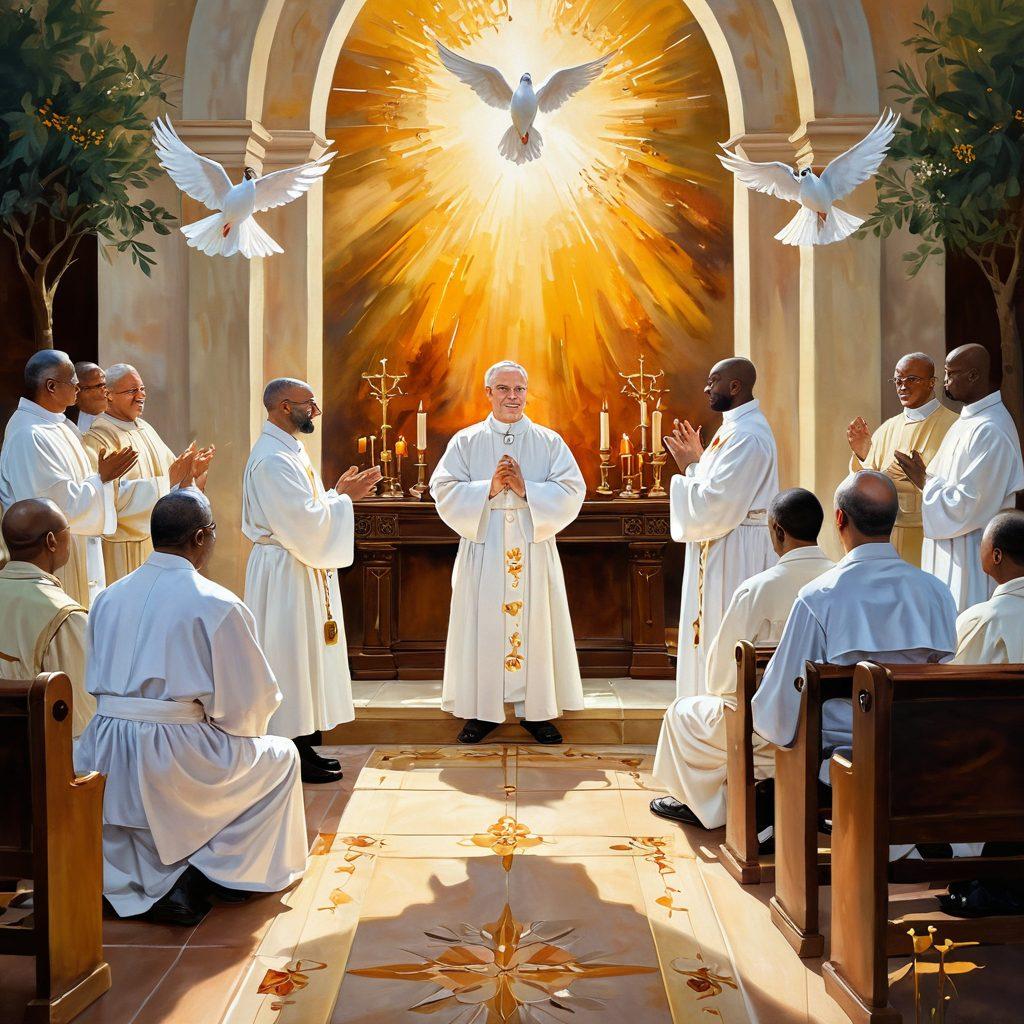
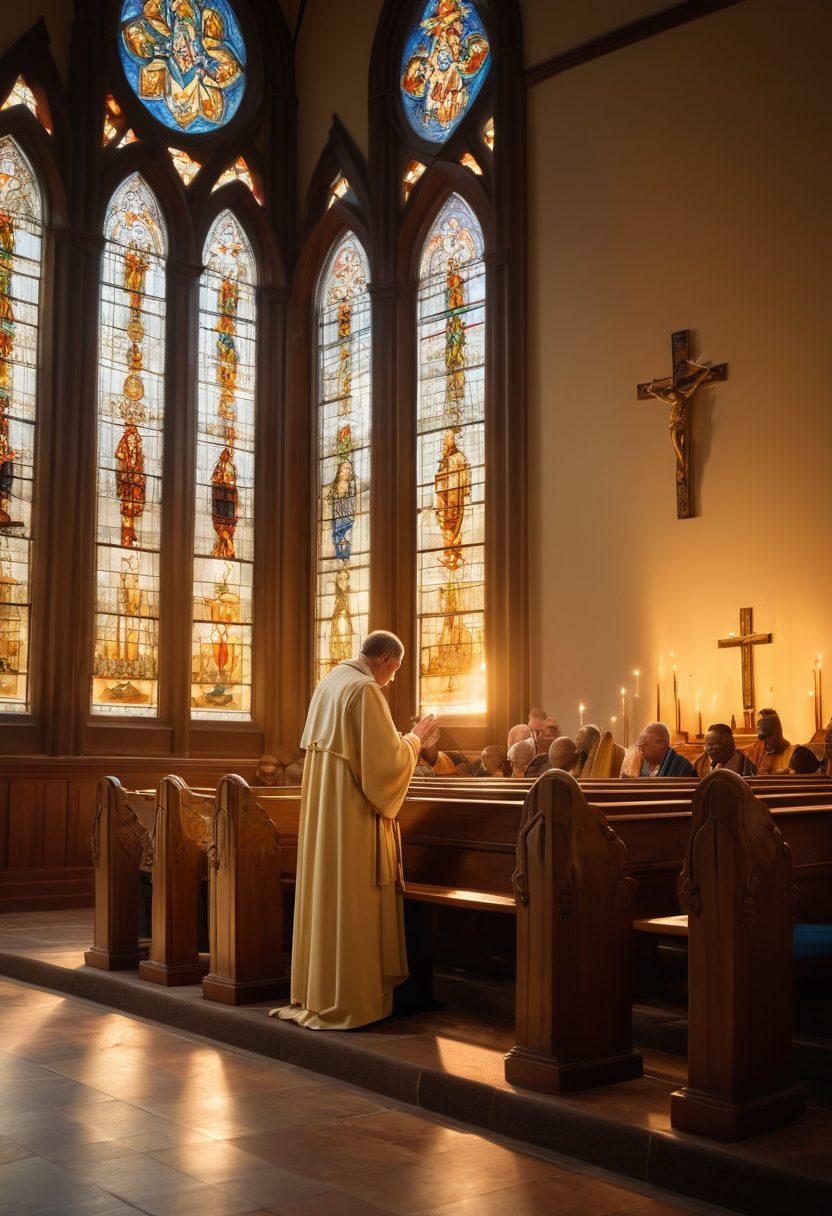
Imagine a quiet chapel filled with warm candlelight, the air thick with anticipation. In the front, a community gathers to witness the ordination of new ministers, fervently praying for their anointed journey ahead. In moments like these, the theology of our traditions comes to life, showcasing how communal affirmations fuel the fire of spiritual guidance. Each member plays a vital role in this sacred fellowship, reminding us that it’s not merely about individual calling; it’s a shared mission to uplift one another through holy service. How powerful is it to think that our faith transcends the self and embraces the collective?
Sanctification doesn’t happen in a vacuum; it’s a process we navigate alongside our communities, learning from the stories etched in the hearts of those around us. Every religious service is an opportunity for believers to reflect, engage, and transform. From the sparks of fiery sermons to the hushed whispers of confession, each encounter invites us deeper into a personal and collective journey of growth. As we worship together, we draw nearer to the essence of our beliefs, reaffirming our commitment to the sacred rites that guide us. How do your experiences within your religious community shape your understanding of sanctification?
Ultimately, the journey of consecration and anointing is an ongoing one, where each step taken within our faith community enriches our understanding of the sacred. It challenges us to embody the principles of our beliefs, encouraging us to cultivate a spirit of devotion that extends beyond the church walls. The divine calling that resonates within each of us is powerful and transformative, calling us to engage actively as we follow the path laid before us. How will you answer that call in your own journey of sanctification? Let us embrace these sacred rites together, celebrating the beauty of our collective faith and the divine purpose that unites us.
From Calling to Service: The Impact of Anointing in Ministerial Leadership and Worship
In the vibrant tapestry of faith-based communities, the journey from calling to service is often marked by the profound moments of anointing and sanctification. These sacred rites serve not just as ceremonial milestones but as divine affirmations of one's commitment to sacred leadership. But what does it truly mean to be anointed in the context of ministerial leadership? How does this spiritual act influence the way individuals serve their communities and engage with their congregations? As we delve deeper into the impactful role of anointing, let us reflect on these compelling questions and explore the transformative power that comes from being consecrated for a higher purpose.
The concept of anointing in ministerial leadership carries rich theological significance across different denominations. Throughout history, anointing has been associated with the empowerment from the divine, much like the oil that symbolizes the Holy Spirit in the Christian tradition. This spiritual empowerment sets apart those who are called from a vast sea of believers, designating them as vessels for divine guidance and pastoral care. It is not merely a ritual; it acts as an ignition for service, allowing leaders to embody devotion, wisdom, and love within their religious communities. It's a holy charge that can be a beacon of hope for the faithful, reminding them of the significance of their own spiritual journeys.
Consider the moment when a pastor is anointed during a worship service. The air is thick with anticipation, and in that sacred moment, the community watches as one of their own steps into a role ordained by both divine intention and communal acknowledgment. It's a rite that speaks of trust and responsibility, setting the tone for how church purposes will unfold. The anointed individual is called to steer their fellowship through trials, offering spiritual guidance, preaching the word, and embodying the love of their faith. As they navigate this path, they often find themselves reflecting on their own moments of calling—how their lives transformed into a vocation of ministry: a testament to devotion, perseverance, and faith.
One of the most beautiful aspects of anointing is how it nurtures a sense of identity and purpose among anointed ministers. This sacrament does not just impact the individual but ripples through the entire religious service, uplifting the congregation. It serves as a reminder that each person within the community is part of a greater story, bound by a divine calling that transcends personal aspirations. In this context, the anointed are not just leaders; they are catalysts for fostering unity, compassion, and love within their ecclesiastical spaces. Embracing their roles means engaging actively with congregational needs, tackling societal challenges, and fostering an inclusive environment where all feel welcome and valued. To experience the impact of anointing is to witness the embodiment of faith in action. It is a blessing for both the anointed and the community, guiding the faithful toward spiritual growth and deeper connections with one another. As you reflect on the importance of sacred leadership in your own life or faith-based community, consider how you can support and honor those who have been called to this holy vocation. Whether through prayer, encouragement, or active participation in your worship service, every act counts. The journey from calling to service may begin with an anointing, but it continues with the vibrant cooperation of the entire fellowship, reminding us all that we are part of something divine, something sacred.
Anointing is not merely an event; it is the beginning of a lifelong commitment to serve within a faith-based framework. It is this sanctification that elevates the ordinary to the extraordinary, transforming lives through the ministerial act of love and service. As you explore your own beliefs and the call to action within your religious community, reflect upon this: How can we help foster a deep sense of purpose in those we lead, anoint, and serve? What roles can we play in our local congregations to uplift one another as we strive to live out our divine callings? Now, more than ever, we are invited to embrace our sacred paths and lead with grace, empathy, and a commitment to love.